


Image to PDF - PDF Converter
0.00.00 Reviews
App Specs
- Version
- 3.9.0
- Updated On
- License
- Free
- Downloads
- 1,000,000+
- Developer
- BestAppsHub
- Categories
- Business
- Platform
- Android
Screenshots
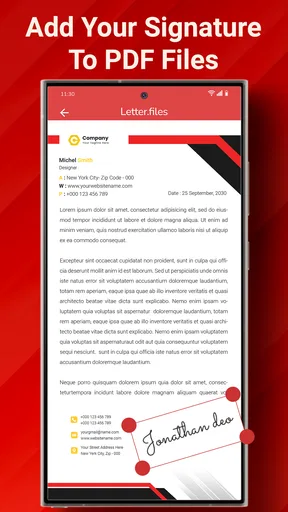
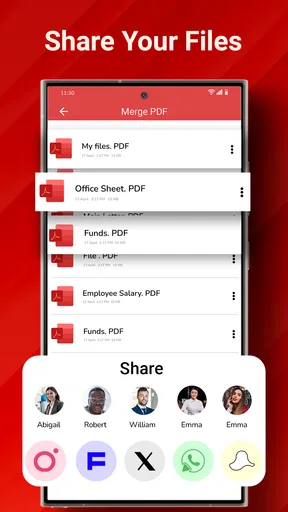
 Analysis by AppCompare
Hey there! Have you ever found yourself in a pinch, needing to convert a bunch of images into a PDF file? I’ve been there, and trust me, it can be a real hassle. But guess what? I recently stumbled upon an app called Image to PDF - PDF Converter, and it’s been a game-changer for me.
What to expect from an image-to-PDF tool
The useful promise here is simple: take pictures or image files and bring them together in a document that is easier to send, store, or print than a loose collection of pictures. That is the job I would reach for this app to do. It is a business-category app from BestAppsHub, but the idea is practical well beyond an office: students can gather photographed notes, a renter can combine pictures of paperwork, and a small business owner can send a tidy record of receipts.
I would not treat it as a full document-management system or a replacement for a dedicated PDF editor. Its appeal is the short path from a set of images to one PDF. That distinction matters if you are deciding what to install: a focused converter can be more approachable for a quick task, while a broader office suite may be a better fit when you also need to write documents, collaborate, or manage a large archive.
The app is free to install and has over 500,000 installs. It is rated for Everyone, and its current version is 3.8.3, with Android 7.0 or later required. Those details make it accessible to many users, though the app also offers in-app purchases priced from $4.99 to $49.99 per item. I would check the purchase screen carefully before confirming anything and decide whether the free workflow already covers your needs.
First setup: keep the task small
For a first run, I recommend starting with a few ordinary images rather than immediately trying to convert a whole folder of mixed paperwork. That makes it easier to understand the sequence: choose the images, put them in the intended order, preview the pages, and save the resulting PDF. If the first document looks right, you can repeat the same process with a longer set.
Before selecting anything, it helps to decide what the finished file is for. A PDF meant for reading should follow the natural page order; a receipt packet might be grouped by date or by transaction; and a set of class notes may make more sense in the order the pages were photographed. This small bit of planning prevents a common mistake: producing a technically correct PDF that still forces the recipient to sort through pages.
Also take a moment to check the images themselves. A conversion cannot make a blurry photo readable or restore text cut off at the edge. If you are photographing paper, frame the full page, avoid shadows where possible, and check that each image is legible before adding it. This is especially worthwhile for forms, receipts, or notes where a missing figure can matter more than the convenience of combining everything quickly.
Worth Reading Before You Choose

EA SPORTS FC Mobile 26 Is a Bigger Football Game, but It Takes Time

Flipboard Shows What News Apps Must Do Beyond the Feed

Switching to Android Auto Means Rethinking Your Driving Routine

Google Calendar Makes a Crowded Week Easier to Manage

Ludo King Makes the Most of the Minutes Between Plans

Baby Panda World Brings Quick Play to Modern Phones, but Its Game Library Feels Busy
Getting Started with Image to PDF - PDF Converter
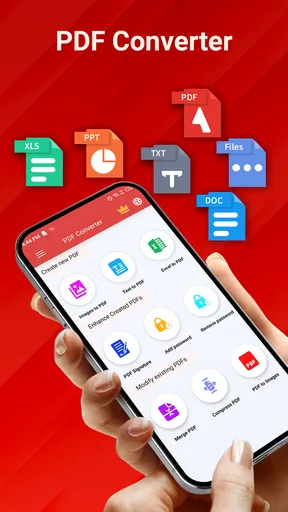
Let’s dive right into it. First off, downloading and installing the app is a breeze. Whether you’re on Android or iOS, the app is available on both platforms. Once installed, the user interface is intuitive and straightforward, which is a huge plus in my book. You don’t need to be a tech wizard to figure things out!
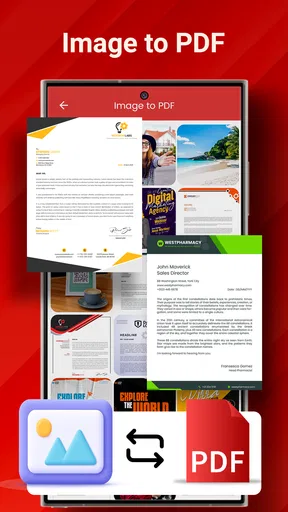
Upon opening the app, you’re greeted with a clean and simple dashboard. The main feature, as the name suggests, is to convert images to PDF. It’s as easy as selecting the images from your gallery or taking new photos directly through the app. You can choose multiple images at once, which saves a ton of time.
Getting the first useful PDF right
My best practical tip is to treat the preview as a quality-control step, not a formality. Check page order, orientation, and whether any image appears too small or awkwardly framed. A PDF can open successfully and still be frustrating to read if the photos were added in the wrong sequence. Rearranging them before saving is much quicker than explaining the mistake to someone who has already received the file.
Imagine you have photographed several pages of a signed form after a meeting and need to send them before moving on to your next task. Select the images, arrange them so the first page comes first and any supporting pages follow, then inspect the preview. If a page is sideways or a photo is missing, fix it before saving. The result is one attachment that is easier for the recipient to open and review than a string of separate image files.
For receipts, I would use a similar workflow but group the images with a clear purpose in mind. A single PDF can make a batch of expense evidence easier to share, but the app does not replace good record-keeping: use a sensible filename when saving if that option is available in your device’s workflow, and keep the original photos until you have checked the saved document. That way, a conversion error or an unexpectedly unreadable page does not leave you without a usable copy.
Features that Stand Out
There are a few features that really stood out to me while using Image to PDF - PDF Converter. Firstly, the app supports various image formats like JPEG, PNG, and BMP, so you don’t have to worry about compatibility issues. You just add your images, hit the convert button, and voila! You have yourself a neat PDF file.
Another cool feature is the ability to rearrange the images. You can easily drag and drop them to change the order, ensuring your PDF file is exactly how you want it. There’s also an option to preview the PDF before saving it, which is super handy to avoid any mishaps.
Those ordering and preview steps are more important than they may sound. When images come from different sources, their gallery order may not match the intended document order. I would not assume that the selection sequence is correct; I would use the rearrangement control to make the sequence deliberate, then review the pages from beginning to end. This is a small habit that prevents a surprisingly common source of confusion when combining photographed paperwork.
One of my favorite features is the password protection. You can secure your PDF files with a password, adding an extra layer of security to sensitive documents. Plus, the app doesn’t leave any watermark on your files, which is a major win!
Password protection can be useful when a document contains information that should not be casually readable by anyone who receives the file. It is not a substitute for careful sharing, though: send the PDF only to the intended person, and think separately about how you communicate the password. A protected file can also create friction for a recipient who is not expecting it, so for routine, non-sensitive pages I would avoid adding a password unless there is a clear reason.
Common confusion and practical trade-offs
A frequent point of uncertainty with converters is what “editing” means. Bringing images together and changing their order is different from changing words already inside a PDF, correcting a scanned sentence, or filling in a form field. I would choose this app when the source material is made up of images and the goal is to package it as a PDF. If the document already exists as a PDF and the main task is to revise its text or layout, a dedicated PDF editor is likely the better tool.
The same distinction applies to scan quality. A photographed sheet can be placed into a PDF, but the result remains dependent on the original photo. I would not expect conversion alone to straighten a badly angled page, remove a busy background, or improve faint handwriting. When precision matters, retake the picture in better light before conversion rather than hoping the PDF step will repair it.
Another question is whether the app is suitable for large batches. It can save time when several images belong together, but a huge collection is harder to inspect and more likely to contain duplicates or pages in the wrong order. I would split a large job into logical documents—for example, one file per form or subject—then check each preview. That creates smaller, clearer PDFs and makes it easier to find a particular page later.
There is also a choice between this kind of focused app and the tools already built into a phone or a general office suite. A built-in print-to-PDF workflow may be enough if you only need to capture one page or save something already displayed on screen. A full office app may be more convenient if you routinely annotate, sign, or edit existing documents. I see this converter as the straightforward middle ground for assembling image files, especially when its preview and page-order controls are the parts you need.
Performance and Usability
In terms of performance, I found the app to be fast and reliable. The conversion process is quick, even with multiple images. It’s lightweight and doesn’t hog your device’s resources, so no worries about it draining your battery or slowing down your phone.
The usability aspect of Image to PDF - PDF Converter is impressive. The app runs smoothly, with no crashes or glitches during my use. The developers have done a great job ensuring a seamless experience, which is always appreciated.
For a first-time user, the clearest measure of success is not simply seeing a conversion finish; it is being able to locate and open the saved PDF afterward. I would open the file once it has been created and check a few pages, especially the first and last. That confirms the document is complete and that the images remain readable at the size you need. If you are about to email or upload it, this extra check is worth the few seconds.
Keep in mind that a quick workflow still depends on the source images and the amount of material being handled. A handful of clear pictures is a more comfortable job than a long, inconsistent batch of dim or rotated photos. When the output matters, quality-check the pages instead of judging the result only by how quickly the conversion appeared to finish.
Who will get the most from it
If you frequently work with documents or need to send images in a professional format, this app is definitely worth a try. It’s perfect for students, professionals, or anyone who needs to organize images into a tidy PDF file. The simplicity and efficiency make it a go-to tool for quick conversions.
I can also see it helping someone who does not have a scanner nearby. A person handling a paper receipt, a student collecting handwritten pages, or a volunteer organizing photographed sign-up sheets can use a phone’s images as the starting point for one shareable file. The key is that each page already exists as an image; the app’s role is to gather those pages into a format that is easier to pass along.
On the other hand, I would skip it if your main need is advanced document work: editing text in an existing PDF, marking up pages in detail, collaborating on a file, or managing many documents in a searchable archive. Those needs call for a more comprehensive editor or document service. I would also look elsewhere if you regularly handle highly sensitive records and need a broader, carefully managed document-security workflow rather than password protection on an individual file.
Moreover, the app is free to download, with no hidden charges or subscription fees. There are ads, but they’re not intrusive, and honestly, I didn’t find them bothersome at all. Considering the functionality you’re getting, it’s a small price to pay.
Choosing a sensible next step
After your first successful conversion, I would try a second, slightly different job rather than immediately moving every document task into the app. For example, make one PDF from a few clean images, then try a short set that needs rearranging. That gives you a feel for how much checking your own material needs and whether the controls suit your habits.
If you plan to use the app regularly, settle on a simple naming pattern for your files and keep related pages together. A title that identifies the purpose and date can make a PDF easier to recognize later than a generic filename. This is a workflow suggestion rather than a special app feature, but it matters: conversion solves the problem of combining images, while a consistent naming habit solves the separate problem of finding the finished document.
Before sharing a password-protected file, make sure the recipient can open it and has a clear way to receive the password. Before sharing any file, check that the PDF contains only the pages you intend to send. Those two checks are easy to overlook when you are rushing, and they make the difference between a convenient conversion and a confusing handoff.
Wrapping It Up
So, there you have it! My experience with Image to PDF - PDF Converter has been nothing short of fantastic. It’s a handy little tool that gets the job done without any fuss. Whether you’re compiling a photo album, creating presentations, or just organizing your images, this app has got you covered.
So go ahead, give it a shot, and see for yourself. It might just become your new favorite app for converting images to PDF. Happy converting!
Pros
- Easy to use with intuitive interface.
- Supports multiple image formats.
- Fast conversion speed.
- Offline functionality available.
- Batch processing for multiple files.
Cons
- Limited editing tools for PDFs.
- Ads can be intrusive during use.
- No cloud storage integration.
- Limited customization options.
- Free version lacks advanced features.
FAQs for Image to PDF - PDF Converter
Is Image to PDF - PDF Converter free to use?
Yes, Image to PDF - PDF Converter offers a free version that includes basic conversion features. However, there may be in-app purchases or a premium version that provides additional features such as higher conversion quality, batch processing, and removal of ads. Be sure to check the app's pricing structure before downloading.
What image formats does Image to PDF - PDF Converter support?
The app supports a wide range of image formats, including JPEG, PNG, BMP, GIF, and TIFF. This flexibility ensures that users can convert most of their image files into PDFs easily and efficiently. Always check the app’s specifications for any updates or changes in supported formats.
Can I convert multiple images into a single PDF file?
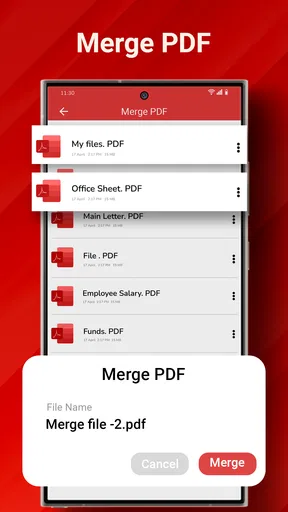
Yes, Image to PDF - PDF Converter allows users to convert multiple images into a single PDF document. This feature is particularly useful for creating photo albums or combining multiple documents into one file for easier sharing and organization. Look for the batch conversion option within the app.
Is an internet connection required to use Image to PDF - PDF Converter?
No, the app does not require an internet connection for basic image-to-PDF conversions. However, certain features, such as cloud storage integration or online support, may require an internet connection. This offline capability makes it convenient for users to convert files anywhere, anytime.
How secure is the conversion process in Image to PDF - PDF Converter?
Image to PDF - PDF Converter prioritizes user privacy and security by ensuring that all conversions are done locally on your device. This means that your files are not uploaded to external servers, reducing the risk of data breaches. Always verify the app's privacy policy for comprehensive security details.


